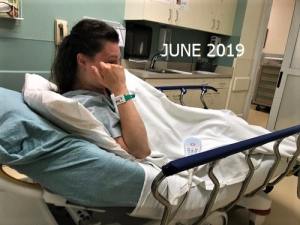
In the summer of 2019, my husband took me to the emergency room – again. That particular hospital trip had me thinking “oh well, this is really it.” Maybe I wasn’t that calm, but that was the basic thought. None of that was new to me. It was ‘old hat.’ When I met my husband, roughly 10 years ago, I was at my worst. Death knocking on the door. No doctor knew why, though.

Viruses, infections, allergies, autoimmune disorders, and massive gastrointestinal upset plagued my young life – often setting off high fevers (104+), dehydration, and delirium, and at 3 years old, unconsciousness, and a long-term visit at the nearest children’s hospital.
That was just the beginning.
To just about everyone else, I’m sure I looked like I had a regular childhood, and you could argue that I did. But what I didn’t know until I was much older was that daily stomach aches were not normal. Daily hives and rashes were not normal. Random sharp pains in the body were not normal. Feeling gross after you eat was not normal. Not sleeping was not normal. Hallucinations (though not knowing that’s what they were) were not normal. Falling down randomly was not normal. Daily headaches were not normal. Regular coughing was not normal.

I had been an athlete since the age of 4 years old, grew up in the era of aerobics, ate what I wanted (I grew up with mostly home-cooked, whole-food meals and little processed food, though), but was always chasing a “diet”, and carried an extra 20 to 40 pounds, depending. It was the 80s. Severely bloated all the time. Head issues, heart issues, stomach issues, leg issues, teeth issues, skin issues. I was only a teenager. What kind of life was I going to have? Always ill.
Since most doctors kept throwing medicine at me, by the time I got out of high school (early 90s), I was pretty familiar with prescriptions and over-the-counter meds. I really do shudder to think of all the medications I have taken over my life. It’s pretty disgusting.


Around my late teens to early 20s I realized what I was going through was not normal and shouldn’t be dismissed. With ill health getting in the way frequently, despite medications, I was determined to find out how to feel good far more naturally. A common, running theme in the journals I’ve kept throughout my life was how sick I was, how no one knew what was wrong, and how I wouldn’t give up until I figured it out. That’s when my interest in holistic medicine began. I learned about healing stones, herbs, plants, and the importance of controlled breathing. I dove into yoga and meditation, and practiced controlling my heartbeat, pulse, and body temperature. It’s pretty f’ing cool when you can control your body like that. (And no, I don’t do that anymore.)
With my delve into holistic medicine and the importance of food, I adopted the vegetarian lifestyle (I really didn’t want to eat animals). It made a positive health difference. Looking back, I can see it was because my dad told me to cut out bread, pasta, and crackers if I wanted to lose weight. I restricted how much of that I ate by counting calories and carbs. I dropped a quick 25 pounds and felt a bit better. (Thank you, dad!) This was in the late 80s to early 90s. (Being young and a carboholic, however, I couldn’t stay away from bread, pasta, and crackers for too long.)
When I was in high school my dad had open heart surgery due to four blocked arteries. The doctors blamed red meat and dietary fat, and so our household began eating low-fat meals. That topic warrants further discussion at another time. My dad ultimately passed away from Alzheimer’s. But it was the nutritional advice they gave my dad that led to the fact I wanted to major in nutrition in college and pursue holistic health. I thought maybe that was the key to my getting healthy. Then I could help my dad, too.
I majored in health and nutrition with a concentration in fitness in college the first time around. (What can I say, I went to college three separate times – two different schools with four different majors.) After roughly a total of 8 years of college (I know, I know), I finally graduated with a degree in psychology, with minors in abnormal psych, health/nutrition/fitness, forensic psych, math, finance, and animal behavior.
Always needing to be active, I joined a local martial arts school in my early 20s so I could learn how to fight. One day, on the way to a Tae Kwon Do competition, I was in a pretty bad car accident, and it eventually messed up the left side of my body.
A car stopped short on the highway and caused a 3-car jam session. I was the last car and slammed into the minivan in front of me at 60mph. They said I hit the windshield, but I walked away from it after a (conscious) ambulance trip to the emergency room. <Edited interesting note- after I lost so much hair (I was told alopecia), I discovered the very fine scar from the accident.> But that accident changed the course of my life.
Shortly after the accident, I discovered how much cannabis heals. My respect for that little (or big) green plant has only grown over time. Cannabis only enhanced my meditation, focus, and energy. And it did wonders for pain and inflammation.

So for the first time in my life, I had a few good health years in my early to mid 20s thanks to the cannabis plant. I was finally able to eat without much consequence. I was getting better sleep and my depression was mostly gone, and my energy way up.
But I credit Tae Kwon Do with saving my life. And it did, on so many levels – physical, mental, and spiritual. It gave me something that nothing else ever did. It instilled in me an inner peace, a sense of belonging, and more importantly, it gave me the courage to change my life and take more risks.
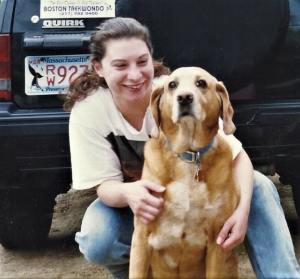
I decided a road trip across the country was in order. I packed my bags, loaded my Geo Tracker (with, like, two bags because the damn thing was so small), drove cross-country, and lived in Las Vegas for a while. So cannabis was out and so was my good run of fairly decent health. But that was the first time I hit the road traveling.
The person that left was not the person who came back. Drastic life changes can be great. Or not. But they definitely shake up the snowglobe.
In my mid-to-late 20s, I adopted the Mediterranean diet, low-fat pescatarian style (I mostly ate fish, rice, eggs, and veggies), and did pretty damn good for a few years. Eventually, though, more and more carbs crept back in. Health issues still plagued me, but I had regular visits to multiple doctors’ offices, and everything seemed to be “managed.”
Though there was an obvious connection between food and my ability to eat or digest, the questions and tests were all targeted at the mechanisms of my body (is my liver failing? Are my intestines working right? Was there damage to my stomach?), rather than the food I was eating (the guidelines say this is healthy, keep eating it). But I was pretty sure it was the food I was eating (no matter what anyone was saying), only the patterns (I have kept way too may food journals over my life) made zero sense. While processed food was part of my eating habits from time to time (nope, I could not eat just one, yes, I did deserve a break today, and unfortunately, I was cuckoo for cocoa puffs), I was well aware they were ‘bad for you’ and cut them out for extended periods of time over the years.
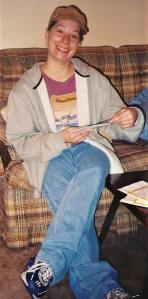
My 20s were definitely tumultuous and my good luck with the pescatarian, Mediterranean diet came to an end. And it was as though my body decided to double my symptoms and severity in protest. By the time my 30s were in full swing, I had multiple autoimmune disorders, with several other diagnoses.
My 30s were definitely the worst, but I was more determined than ever to figure out what was wrong, why food and I battled at every bite, before I had a heart attack, got cancer, or went into organ failure. My doctors’ trips, ER visits, tests, and diagnoses were growing in number and seriousness. (My doctor liked to say they were getting “complex.”)
I was brought up Roman Catholic. So I went to the Bible to figure it out. What would Jesus eat? Indeed, that’s the name of the book I began with. What Would Jesus Eat, by Don Colbert, M.D. Good book. A little off (no one should be eating soy), but a good read if you are a believer. I no longer am, but I was then. So I ate what Jesus ate, supposedly, according to the Bible. Mostly it amounted to the Mediterranean style of eating, with a few tweaks. I typically ate chicken, turkey, fish, soy, eggs, veggies, pasta, and rice.
But I was still really ill. I thought maybe I needed to give it time (and prayer, of course, at that time in my life). So I gave it time, and more time, and more time. And prayer, and more prayer, and more prayer. And I got more ill, and more ill, and more ill. Still looking for answers, I got into juicing, smoothies, and sprouted grains and seeds. (Ezekiel bread with raw honey was a go-to for me, washed down with carrot juice.)

I had so many symptoms and was diagnosed with so many things I had to put it all on spreadsheets to keep it straight. From Raynaud’s to neuropathy to nystagmus to POTS to vertigo to muscle tics to spontaneous paralysis to slurring words to insomnia and everything in between. I was even told I was allergic to the act of eating and exercise. The number of tests I’ve had is ridiculous and the staff at the South Shore Hospital in MA got to know me really well for a while.
The only thing that came out of that was a dead gallbladder. Ironically, had my gallbladder removed and not only did the symptoms NOT go away, but things became worse. Fantastic.
I underwent major surgery (for the fourth time in my life, I might add, but hopefully the last) and got nothing out of it but scars, pain, worsening symptoms, and a missing organ.
Awesome.

Then I was really lost, and I drew the line. No offense to the good ones out there, but I decided doctors sucked and I was on my own. By the time I had decided to forget the doctors, I was in line to be tested for multiple sclerosis.
My mid 30s found me knee-deep in alternative medicine. Knee-deep. I tried everything. I became a huge fan of carrot juice and any type of smoothie I could drink. Liquids were about the only thing I could tolerate before my gallbladder came out. Fish, which has always been a solid go-to for me, was also one of the only foods I could tolerate. The one food that has never seemed to fail me. So for about 9 months before my gallbladder came out, I lived on liquids and fish (but not liquid fish.)

But essentially, I gave up. At that time, I was in my late 30s, painfully miserable, and suffering. I could barely make it from room to room without collapsing into a heap on the floor. And by that time, pre-menopause symptoms showed up. I was coming off both antidepressants (one of the worst withdrawals I have ever experienced) for a sleep disorder and Depo Provera, which is a book all on its own.
I was housebound and slowly becoming a recluse. I worked from home. I had two choices – eat and be extremely ill or don’t eat and have some quality of life before my body shut down. I estimated a handful of years, maybe?
In December 2012, right before Christmas, in walked my future husband. In the end, the man who saved my life. He would argue that I saved my own life, but he was the one who reignited the fire in me to find out what’s wrong. He just wouldn’t accept that I was done for. I went back to the drawing board, as they say.
That led us down quite the rabbit hole.

I was still convinced vegetarian or plant-based was the best way to eat, though fish and eggs (both an on again, off again consumption) were not something I was super willing to give up.
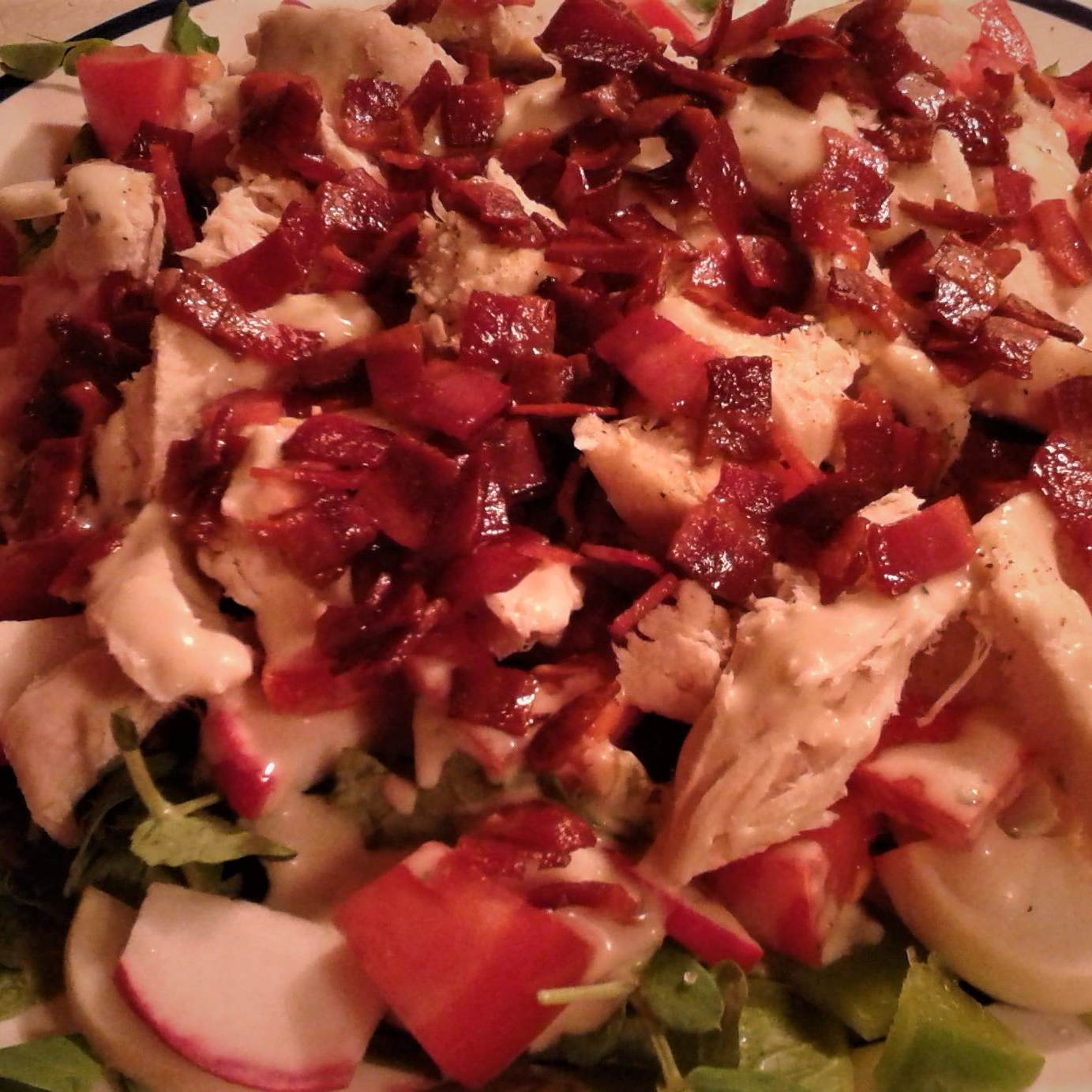
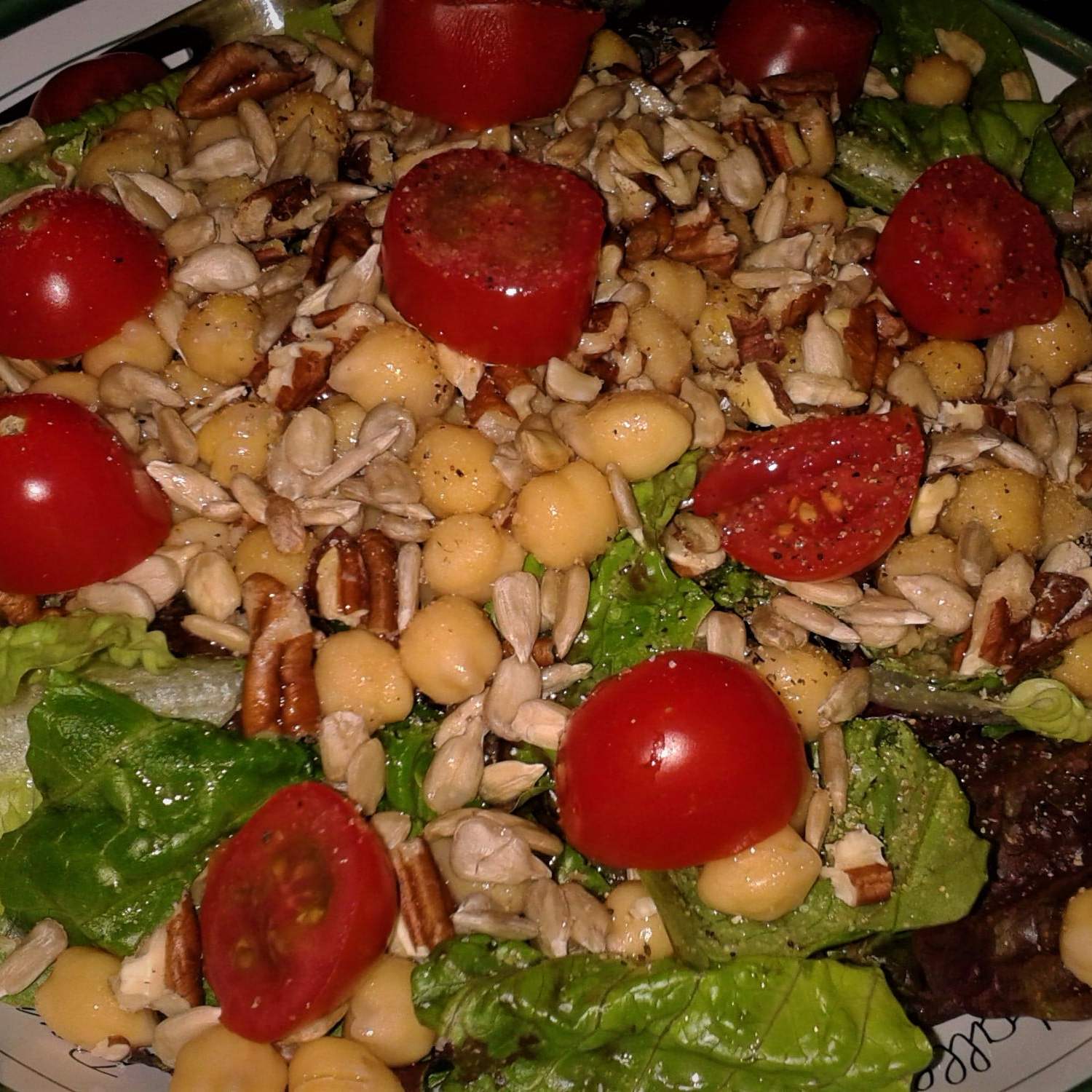
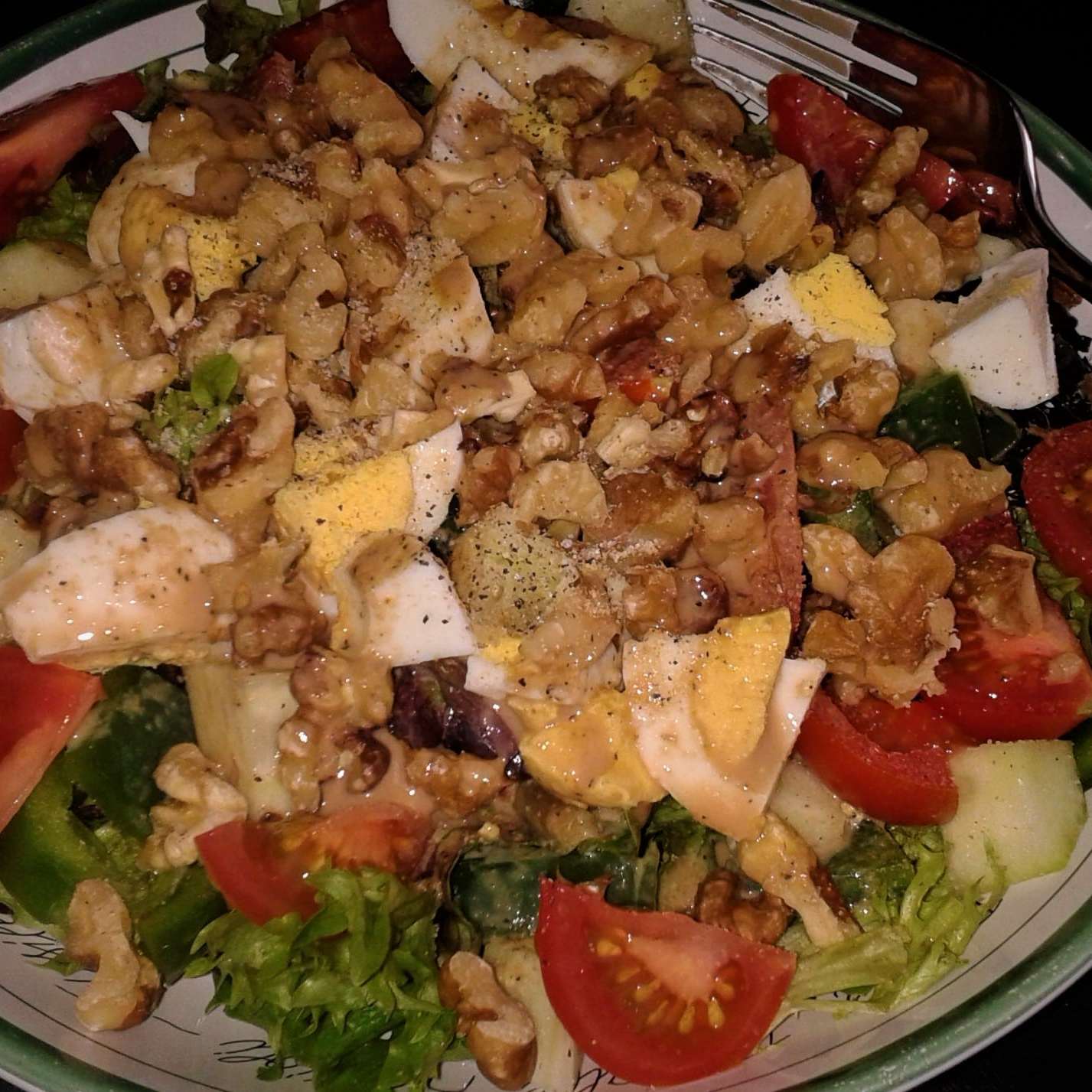
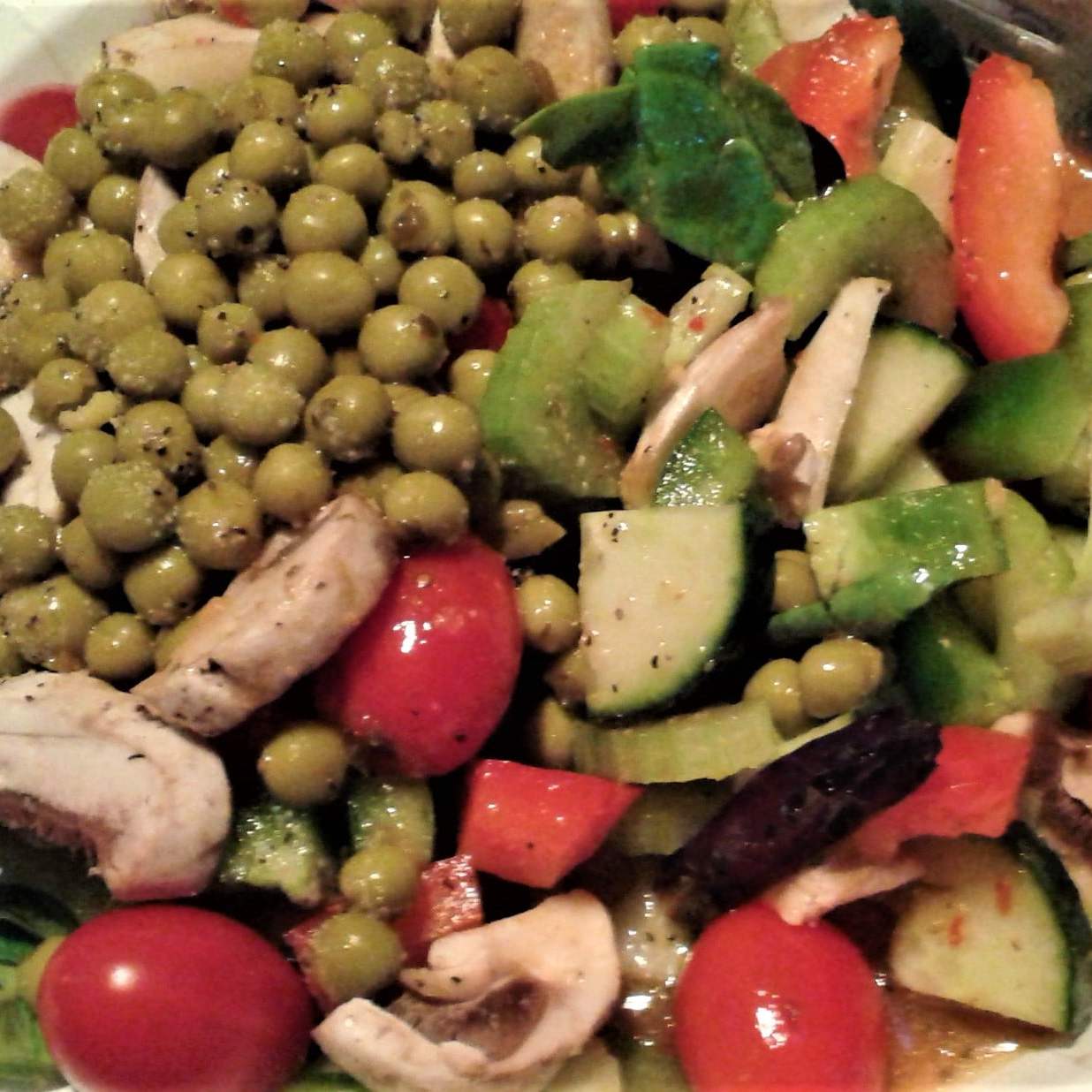
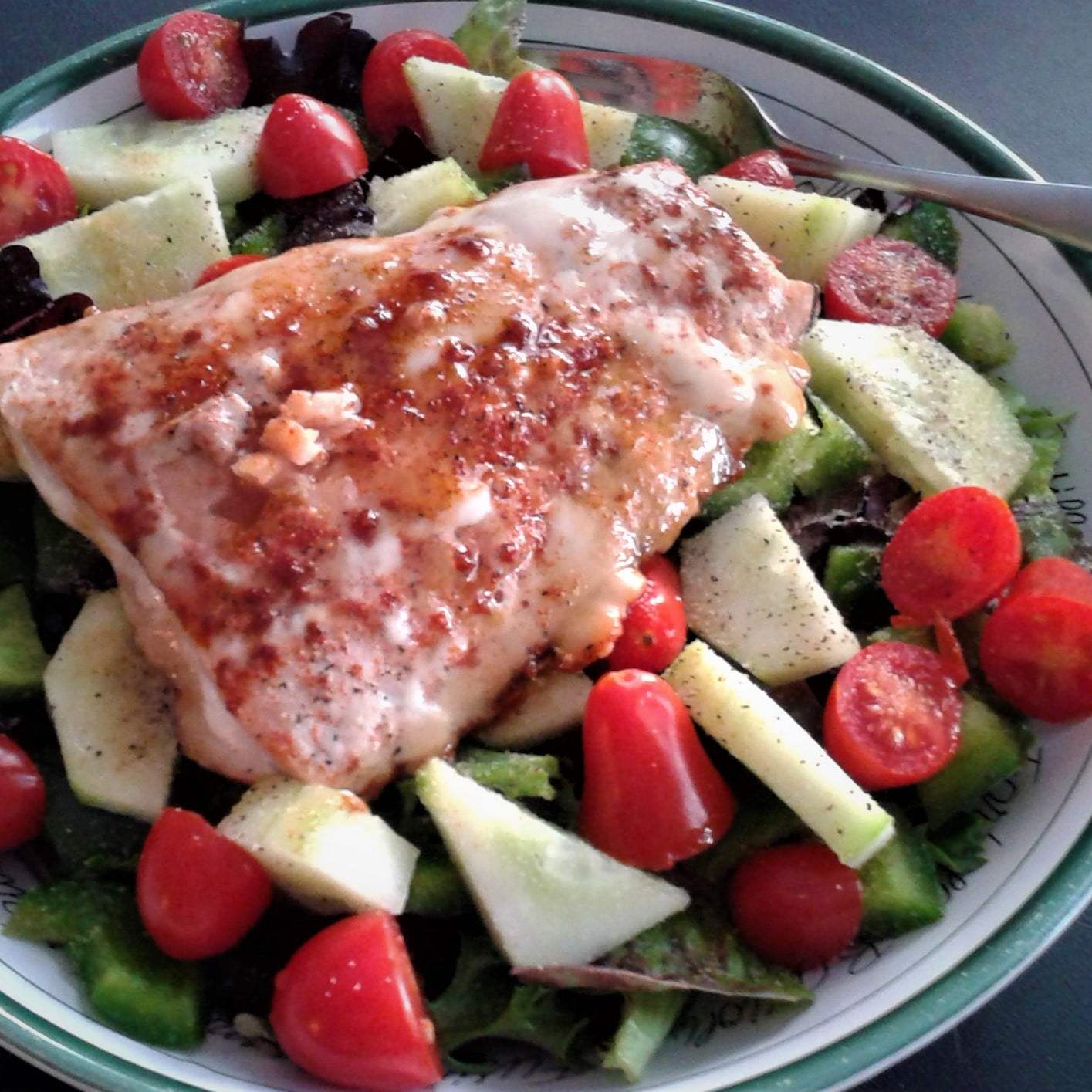
So as someone who loves to cook and create recipes, I decided my life would be all about food and my quest for good health. That way, I would be able to live some kind of life, maybe figure out how to help myself, and all would be right with the world. I created dozens and dozens of recipes and figured I would put out a cookbook. Maybe one day have a cafe.
If only.
We changed to all organic whole foods. That was our start. For one week we ate nothing but organic plant-based-only salads, no dressing. And we felt great. Nothing good lasted, however. That had been my experience up until that point. Over a span of a few years, I ditched all meat, gluten, dairy, oils, grains, and a myriad of other ingredient categories. I certainly did feel better. Looked better, too.
I thought I hit the nail on the head when I ditched gluten. Gone was the fibromyalgia, muscle tics, and peripheral neuropathy, and I saw huge improvement in Raynaud’s. Huge improvement in digestion and less abdominal pain as well. Though my test for Celiac Disease years before had been negative, I hadn’t been eating in the months prior, and was later alerted that I needed to be eating gluten before the test. But the doctor never inquired about that? And what did I know? (What the hell was Celiac?!)
I avoided gluten like the plague. I switched all my topical products as well. Really thought that was the ticket. When I gave up dairy, I saw even more improvement, especially my skin. I suffered from some of the worst acne – I lived at the dermatologist’s office in my 20s. After years of both prescriptions – oral and topical – and over-the-counter acne medications, I ended up on Accutane in my late 20s. Not fun.
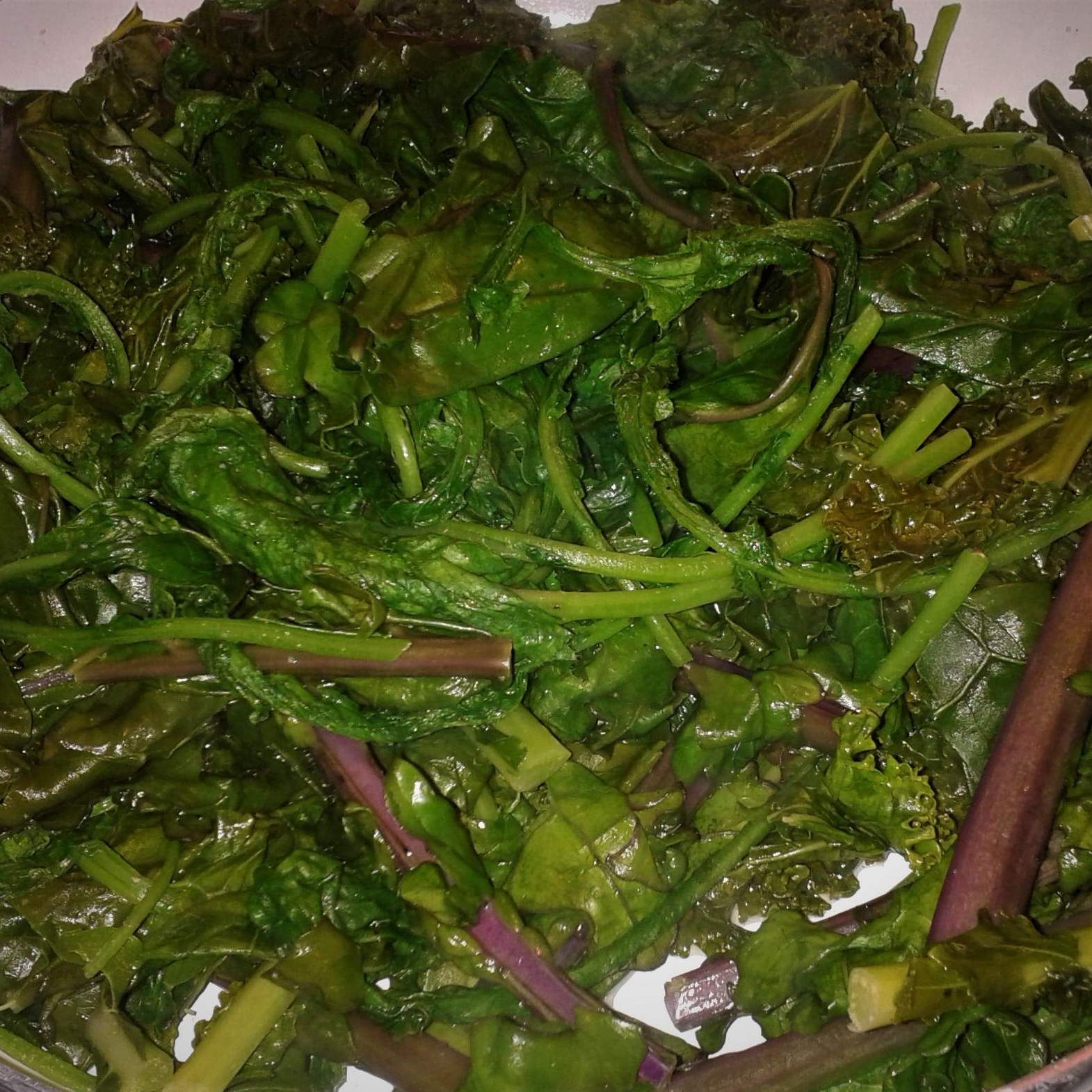
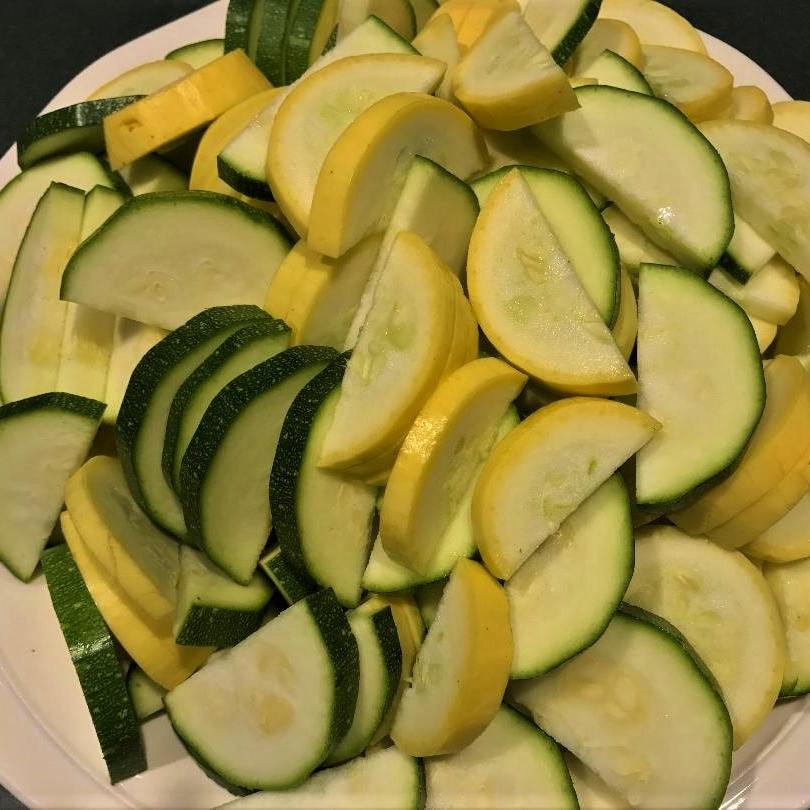
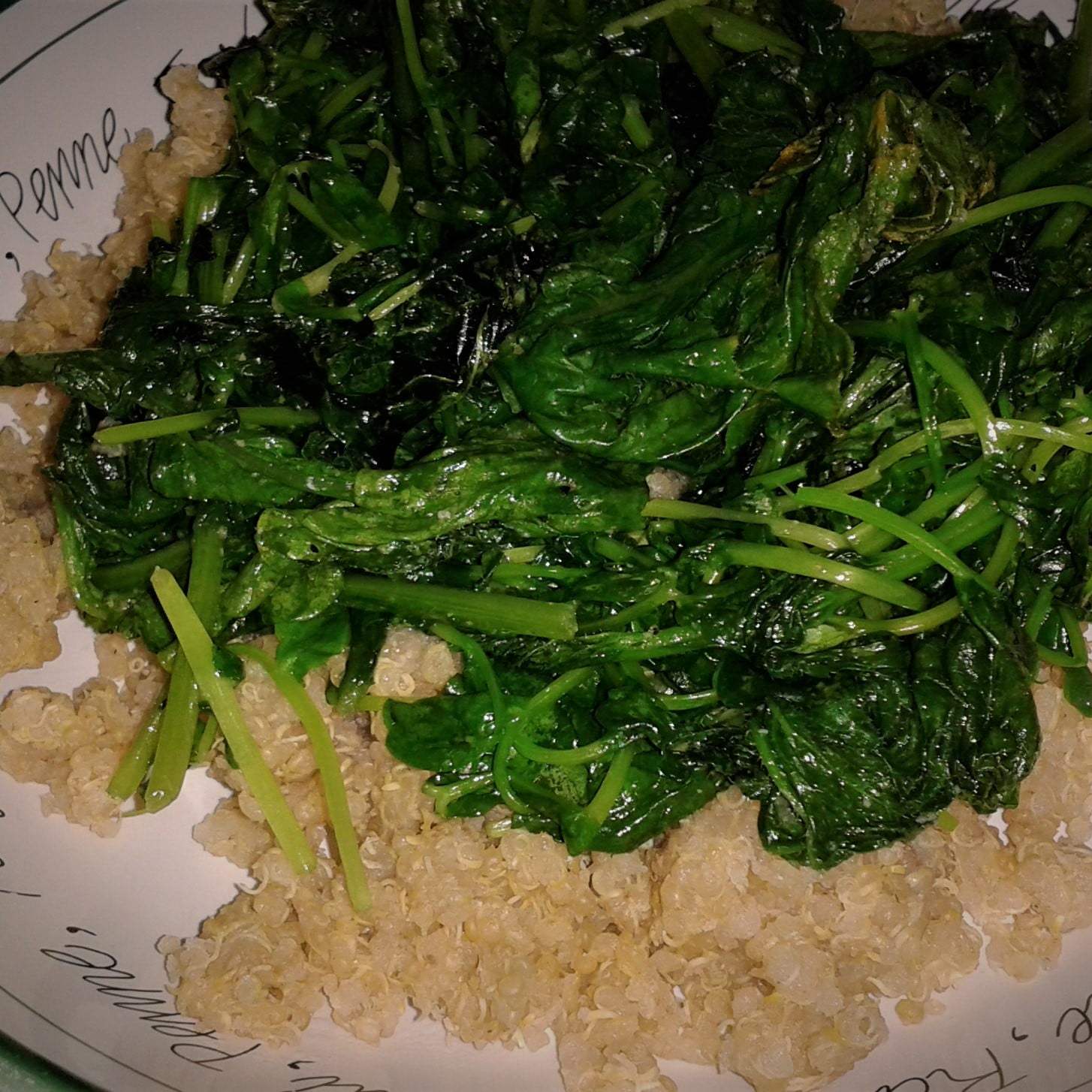
So there I was in my early 40s, plugging along, mostly coasting, and still trying to figure out what was what, but having gotten some of my life back. I was no longer housebound, but I was still safer not eating if I wanted to leave the house. My symptom list had come down a notch. I could make it around the house, but any extra physical activity was nearly impossible. Celiac seemed to make a whole lot of sense, though, especially having been sick since I was a baby. What’s in formula? Lots of gluten! Huh.
But I felt like I was on a wild goose chase at that point because good health still eluded me. Some days I couldn’t get down the basement steps to do laundry. Some days I couldn’t get out of bed. I could barely lift the pots and pans to get them out of the cabinet. With medications such as Accutane and Depo Provera in my past (for the love of all that is holy those medications need to come off the market), I had to wonder what the hell I had done to my body over the years and whether or not it would ever recover. Never mind the decades of pain killers (both prescription and over the counter) due to chronic pain and inflammation from the car accident and two work injuries.

It was around that time I was bitten by a brown recluse spider – nearly died then, too, from the accompanying infection and allergic reaction. But it flattened me big time and I ended 5 years of being plant-based, and added chicken, turkey, eggs, and fish back in. That was actually a good turning point. (But I am not thanking that spider. I will, however, thank bee propolis for saving my hide. It stopped the necrosis in its tracks and though the doctors referred me to a plastic surgeon to fix the area, you can no longer see where I was bit in the first place.)
My health improved again.
Done really trying to figure out what was wrong with me, though, I went back to the Mediterranean diet. Only that time, I was much heavier on the vegetables and legumes since I was used to being plant-based. I thought perhaps I wasn’t eating enough vegetables. I began blending them, creating soups, stews, and chowders. I thought I would add fruit back in – fruit was something that often triggered sharp pains in my abdomen, so I mostly stayed away from them. But I went back to eating them anyway. Fruits and vegetables are healthy, right?

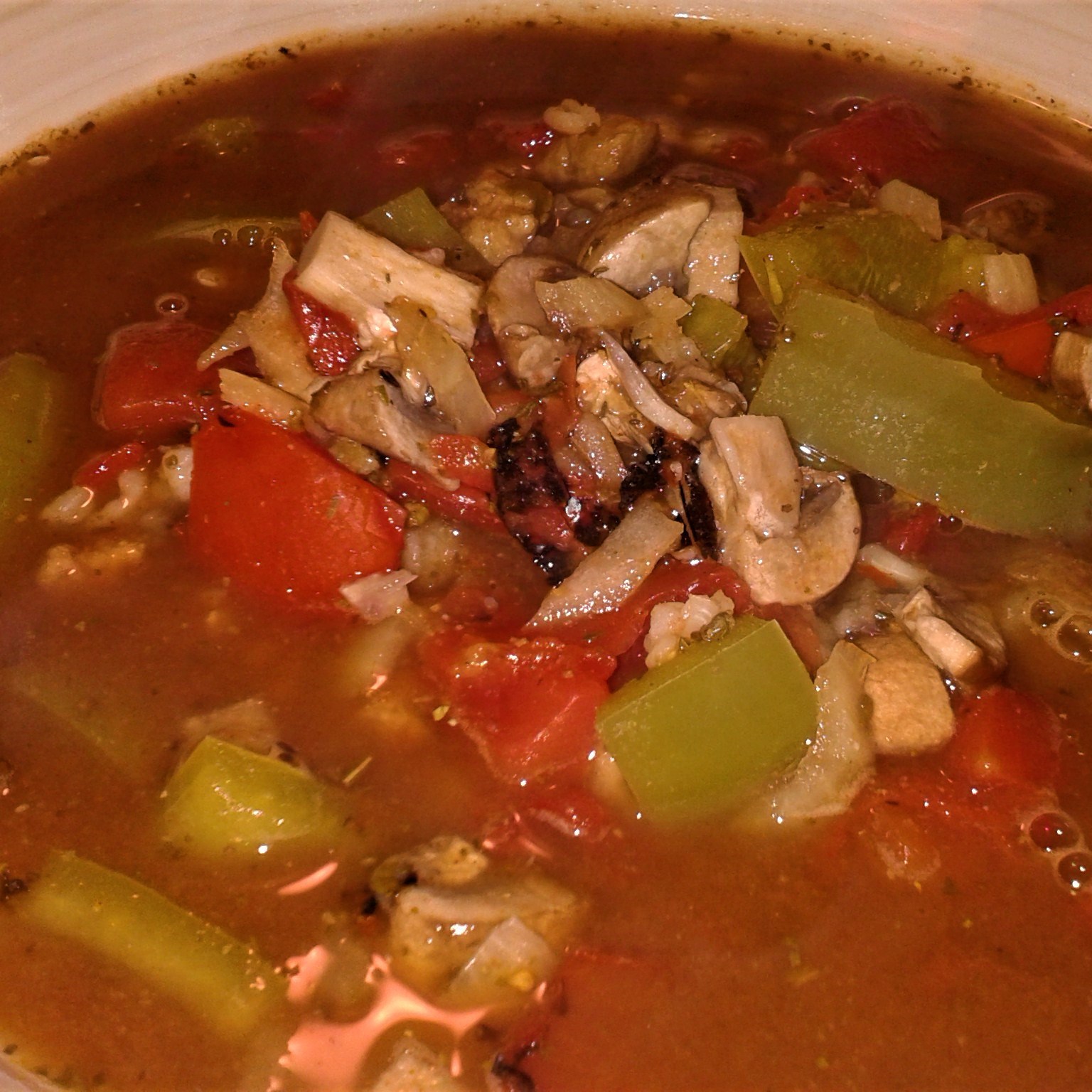
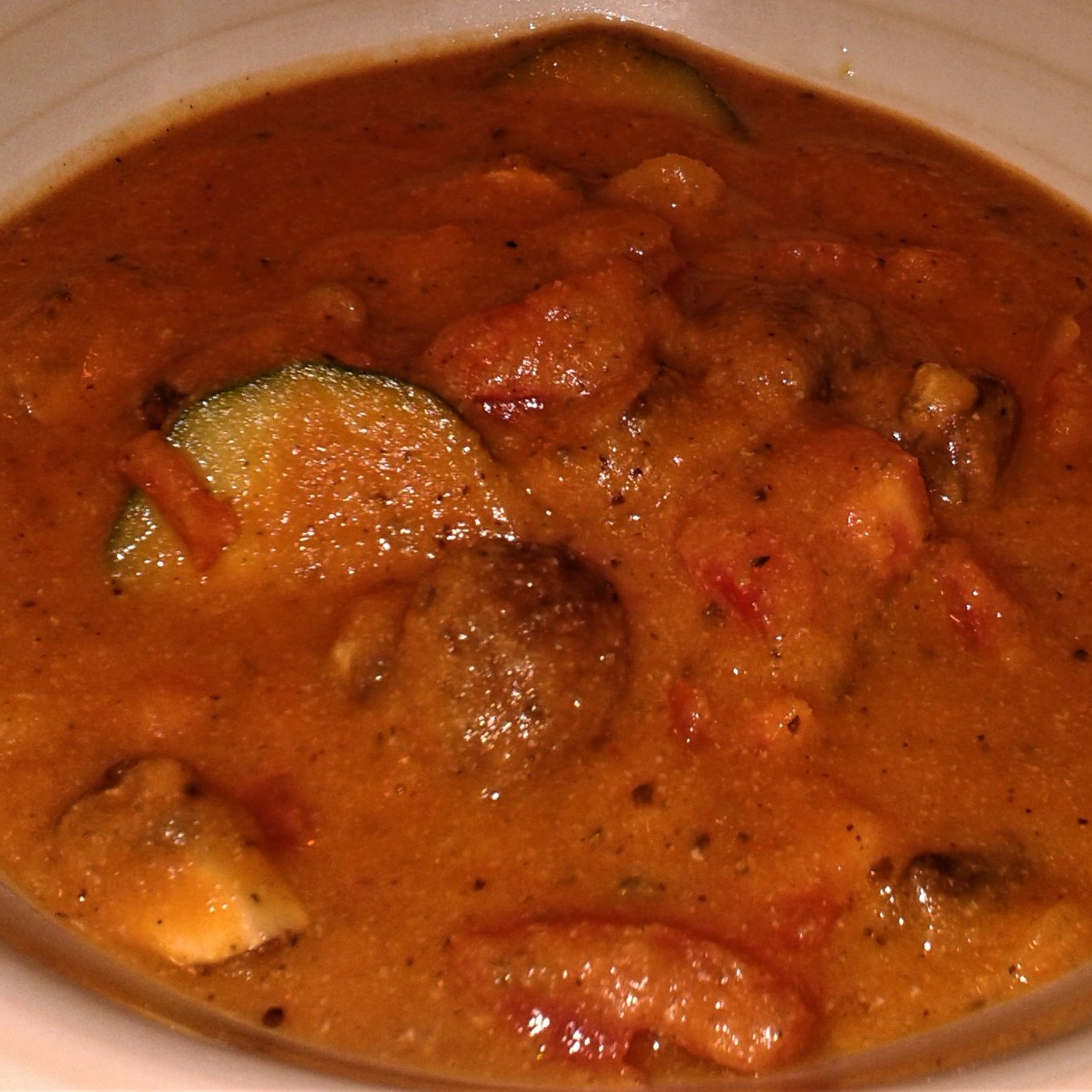
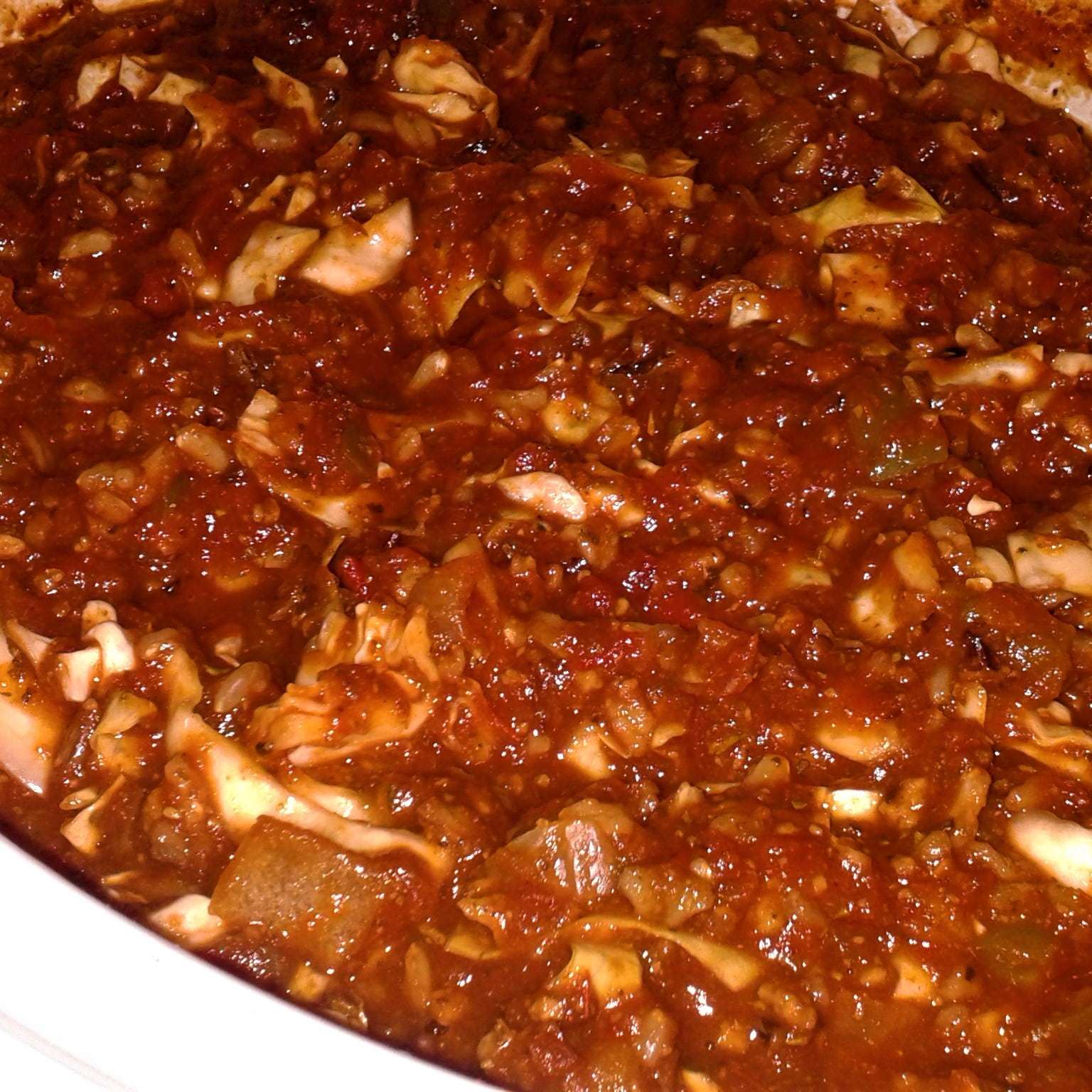
In 2018, Vermont (where I was living at the time) made cannabis legal. That was a huge game-changer for me. Once again, that awesome little herb swooped in to give me life. I was back in the game. I ended 10 years of daily nsaids all thanks to cannabis. I thought that was it. I was on my way to real health. I was eating mostly whole foods, gluten-free, dairy-free, and so many other “frees” that just about all processed food was out anyway. As long as I had cannabis, I could eat without too much consequence and manage my pain. Win-win as far as I could tell. I never expected to regain great health, but I felt I was on my way to having some kind of life again.

I created recipe after recipe, put together cannabis-infused recipes, and began building The Happy Belly Cafe. I’ve created more than 350 gluten-free vegan, vegetarian, and standard recipes. I even got back into mild exercise like walking up the street, stretching, and a little dancing. And that was a long haul from not being able to walk across the room or take a pan out of the kitchen cabinet.
Then like a house of cards, it all came crashing down around me.
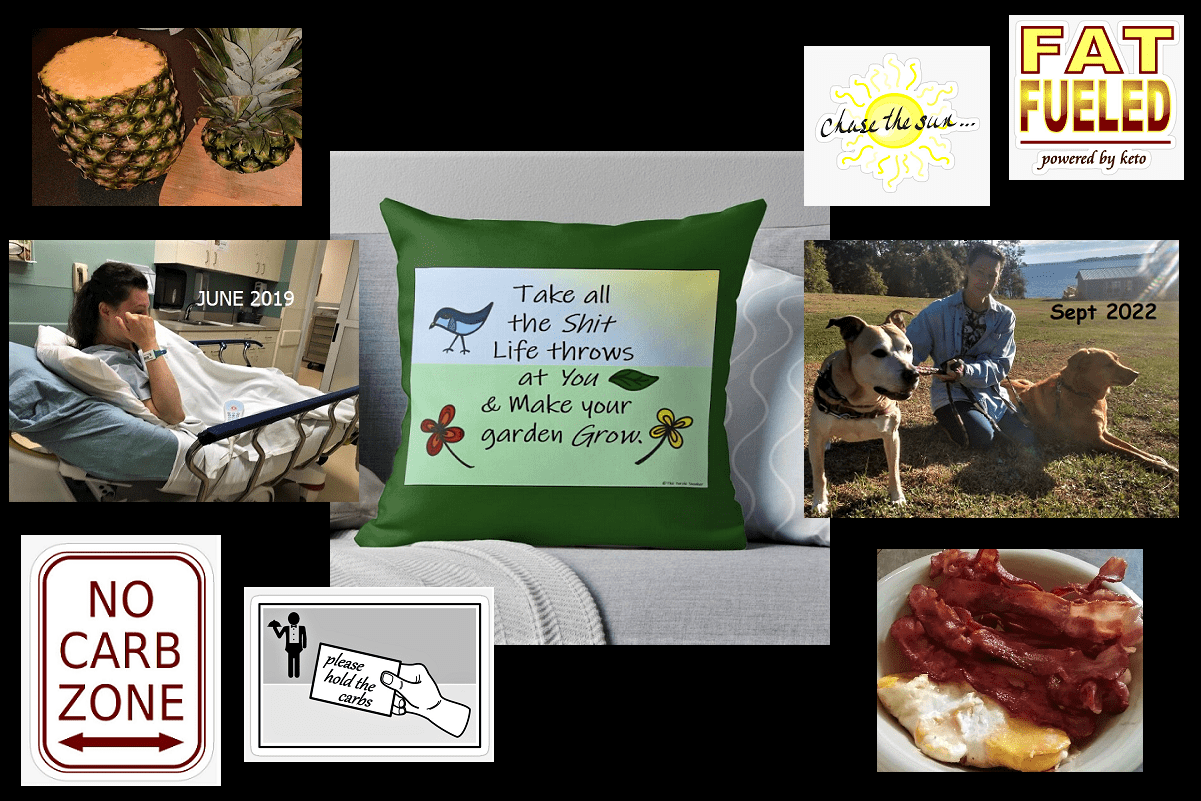
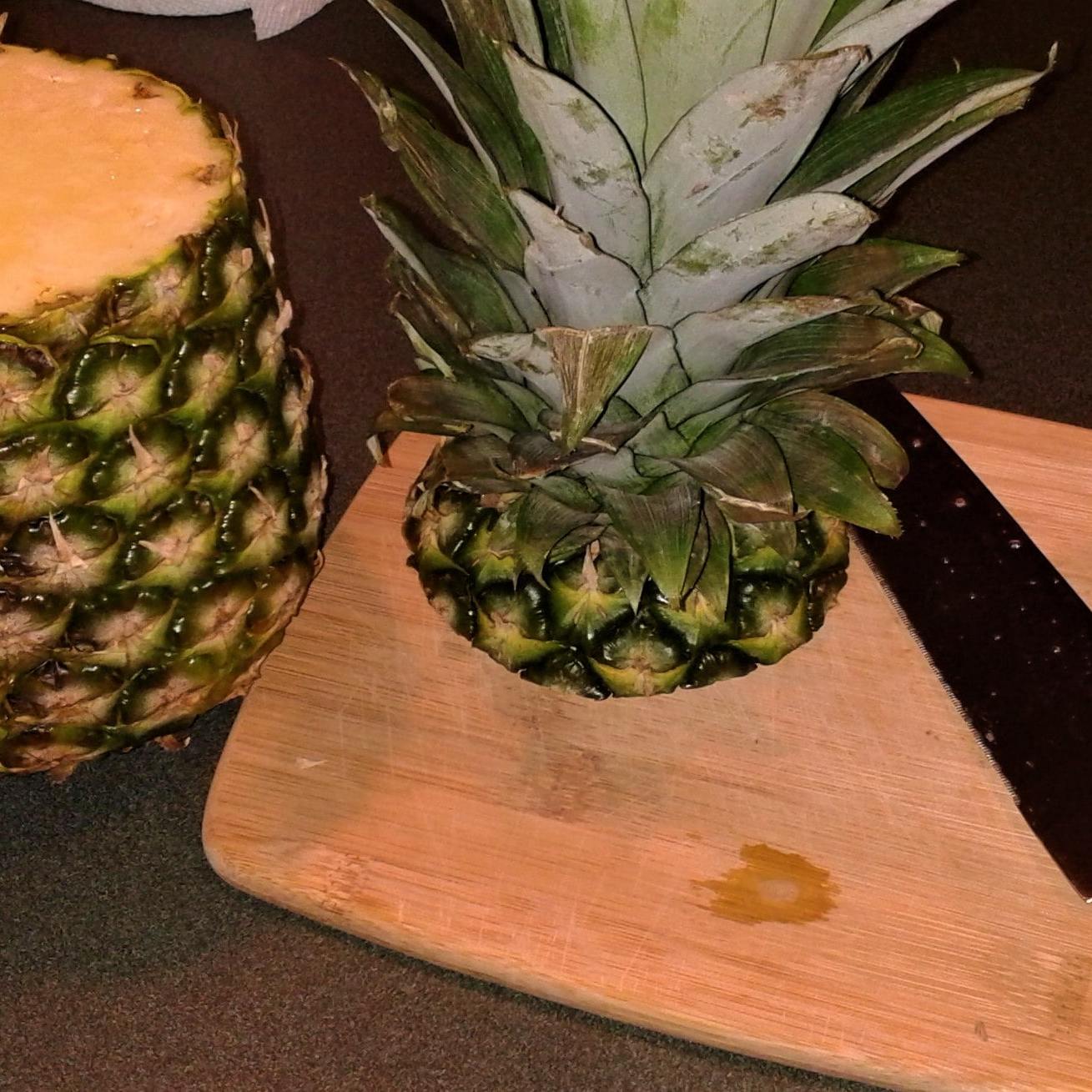
One night in June 2019 I had just finished cutting up a fresh pineapple, popped a few pieces in my mouth, and… from three bites of fresh pineapple to mind-numbing pain to the emergency room.
After a bunch of tests and still no answers (big surprise), I was referred to more specialists (ah, that again). The earliest appointment they had was in October. I wasn’t sure I wanted to bother keeping the appointment. I couldn’t see me going through all those tests again. But I thought maybe a different hospital, Dartmouth-Hitchcock Medical Center in New Hampshire, might yield me better results. Dartmouth-Hitchcock was the 8th hospital / health clinic I had been to.
I knew I was on my own.
To me it was obvious that food was the issue. Or my inability to digest it, anyway. I knew I had to start over to find the problem. I went back to the beginning, to the time I was 2 weeks old and diagnosed with colic. Surely the experts had to know more about colic these days than they used to.
The more I learn, the less I know.
I have no idea who said that, but it couldn’t be truer. Delving into the world of nutrition was and is like going down the rabbit hole in Alice in Wonderland, complete with funky mushrooms, no food pun intended. Never mind there is so much to learn, separately and then in conjunction, but the “experts” can’t even agree.
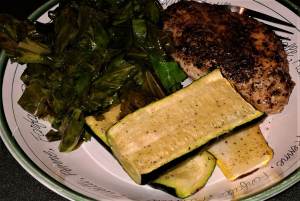
I researched elimination diets. I combined the fodmap, aip, scd, gaps, and candida diet and ate only the safe foods listed after cross-examining the separate lists. My immediate need was to eat. My appointment with the gastroenterology department in NH wasn’t for another four months.

I have scads of notes, scribbled in notebooks, typed up in files, organized on spreadsheets. I went back to basics, both in terms of food and its makeup and quite frankly, evolution. I thought about my ancestors. I considered life before industrialization. I used common sense. I tore apart my own beliefs. I tore apart the beliefs I grew up with. I tore apart everything any “expert” (parent, teacher, priest, doctor, gov’t official, etc.) ever claimed to be true. I went with the notion that everything I learned was wrong.
The above listed elimination diets weren’t working for me. The thing that made the most sense to me – regardless of all the research, studying, and classes I took – was to simply eat the foods I could handle. Because that list was so short, it made the most sense. I even spent one month eating nothing but fish and plantain chips. I had no idea why, but for that short amount of time, it was the only thing I could actually eat.
It didn’t take long for me to start feeling pretty damn good doing it that way. That part still floors me because during this entire debacle that was my life, only one doctor in 45 years – the gastro specialist that discovered my ailing gallbladder – thought to tell me that it might be food causing my problems. In 45 years, four hospitals, four emergency rooms, and countless specialists, only one (one of the last ones) briefly mentioned I might want to avoid gluten (and at that time, I didn’t know what gluten was or how to find it).
You know what most doctors blamed my symptoms on? Stress. That made a nice catch-all for “we don’t have a clue.” You may now be dismissed.
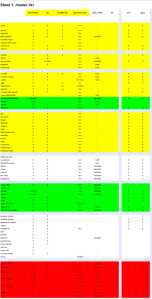
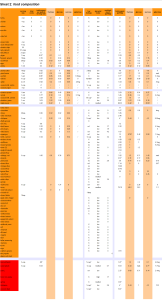
Between my last ER visit in June 2019 and the appointment at Dartmouth-Hitchcock in October 2019, I created a lengthy spreadsheet listing roughly 100 foods I typically ate and their respective serving size, total carbs, total sugars, fructose, sucrose, glucose, galactose, glycemic index, resistant starch, type of fiber, and whether or not they were low fodmap, aip, candida-friendly, scd, or gaps. (Finding this information took multiple sources.) I kept a detailed food journal of what I ate and any accompanying symptoms for those four months. By the time my appointment rolled around in October, I had figured it out.
I saw major improvement in all symptoms within two weeks. But it took me three months to compile enough data to see the trend. As I continued to improve, I tweaked what I ate and continued piling data. Once I discovered the trend, I tested it for the next month while researching what I found, which further proved my results. I put everything on a flash drive. I kept the appointment at Dartmouth-Hitchcock. I was feeling great, but I wanted (needed?) confirmation.
Why did I suddenly feel so good after an entire lifetime of distress? I went from housebound, sometimes bedridden, to practically skipping my way through the hospital to the gastroenterology department. What happened that made it seem so simple, yet eluded doctors for decades?
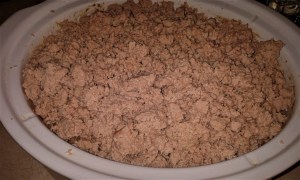
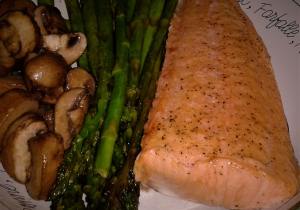
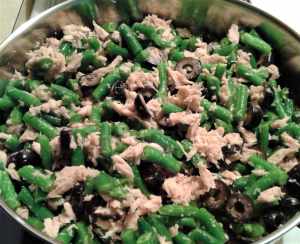
I was eating mostly ground turkey, any kind of fresh fish (but mostly salmon and tuna, not canned), and small amounts of green beans, spinach, endives, black olives, walnuts, and zucchini (not all at once but for variety). I was munching on plantain chips, as well. And the change was remarkable. Think, miracle. I cannot stress that enough. The amount of pain, agony, and misery I was in just two weeks prior (and over my lifetime, as well) – to have suddenly been freed from it was mind-blowing.
I love numbers and I love stats. I poured over my data and there, after I shuffled the grids to reflect the best foods for me at top, I saw an interesting trend staring me in the face. It explained everything.
All the foods I could handle had less than 0.5g of fructose per serving (regardless of source). For reference, a whole apple has roughly 10g of fructose. The less fructose I ate, the less symptoms I had and the better I felt. That realization led me to more research. Because, why? And more importantly, can I eat this way for the rest of my life? I thought we needed carbohydrates?

Hereditary fructose intolerance.
Was that my answer? All the pieces seemed to fit. A rare genetic disease. Most babies don’t live. And for those that do, hereditary fructose intolerance wreaks havoc on the body unless you nix all fructose from your diet. What foods contain fructose? Just about everything but animal products. Huh.
Hereditary fructose intolerance is difficult to diagnose and is based on a genetic test, health history, and current health status. The genetic test itself, though, done by only a few labs in the country, doesn’t test for all possible sequences nor is it that accurate.
With all of that at my fingertips, I met with a doctor at Dartmouth-Hitchcock and handed him the flash drive. How do you explain all of the above in a matter of minutes? He was very wary about looking at it, but he did. He was silent. I’m not going to pretend to remember what he said exactly but something about having to show it to another doctor, and out the door he went. (That was always happening to me, doctors getting other doctors to discuss me in some way.) My husband and I just looked at each other and shrugged.
A short time later, the initial doctor and another entered. The one I hadn’t met previously put out his hand and said he just had to shake my hand to congratulate me. Not gonna lie, that confused me. They were impressed with the effort I put in for finding my answer. (Had I found the answer?) I didn’t look at it that way. I was just trying to survive. Introductions were made (I’m sorry I have forgotten their names) and we proceeded to have a short, interesting discussion regarding food and health, and I was on my way. To figure it out on my own, apparently. Well, I had gotten this far, hadn’t I?
I researched what I could about hereditary fructose intolerance and came across an old support group forum discussing how they ate. It sounded complicated and not fun at all. Something about glucose packets and boiling potatoes endlessly, and some other things that sounded equally unappetizing. But one man mentioned that he ate steak every day. A little salt, a little pepper, and he was good to go. He claimed he felt great. I looked at the date – he made the comment 10 years prior. Fantastic. I wondered if he was still alive.
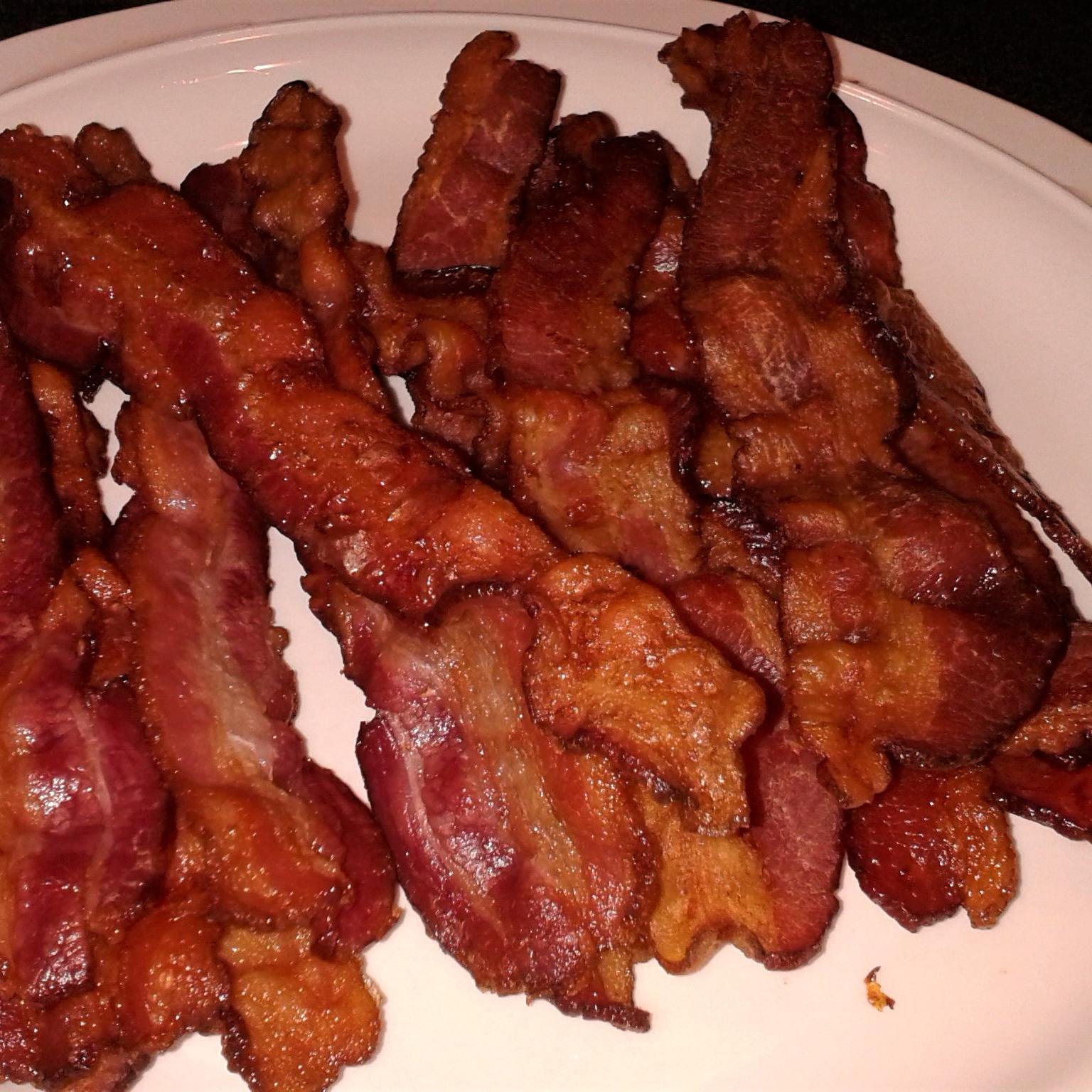
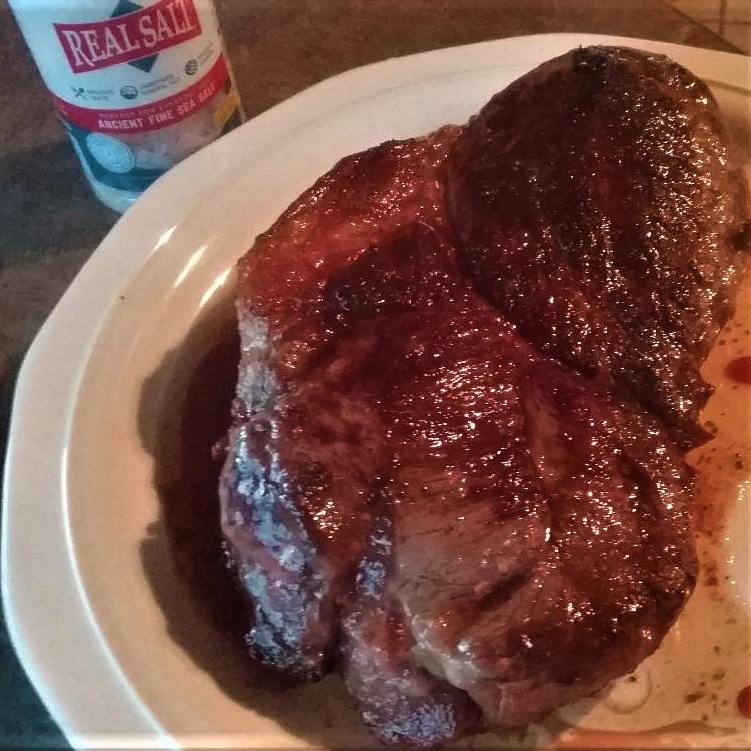
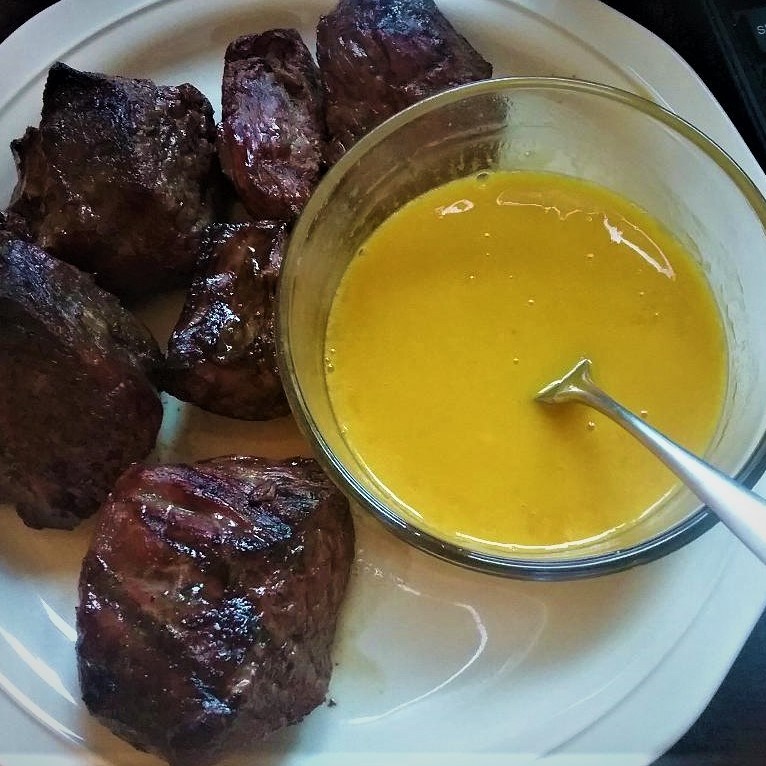
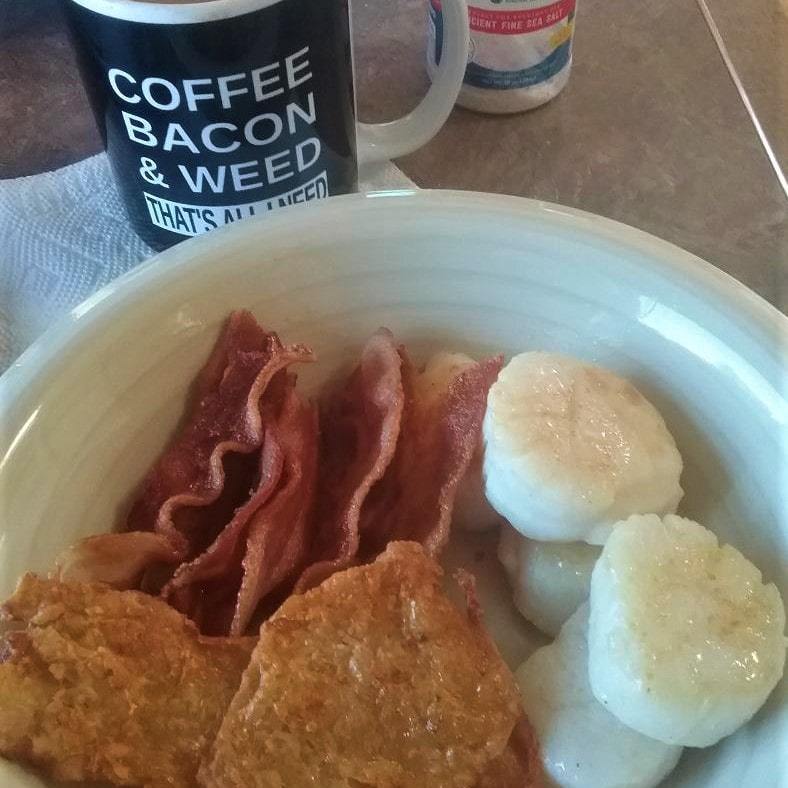
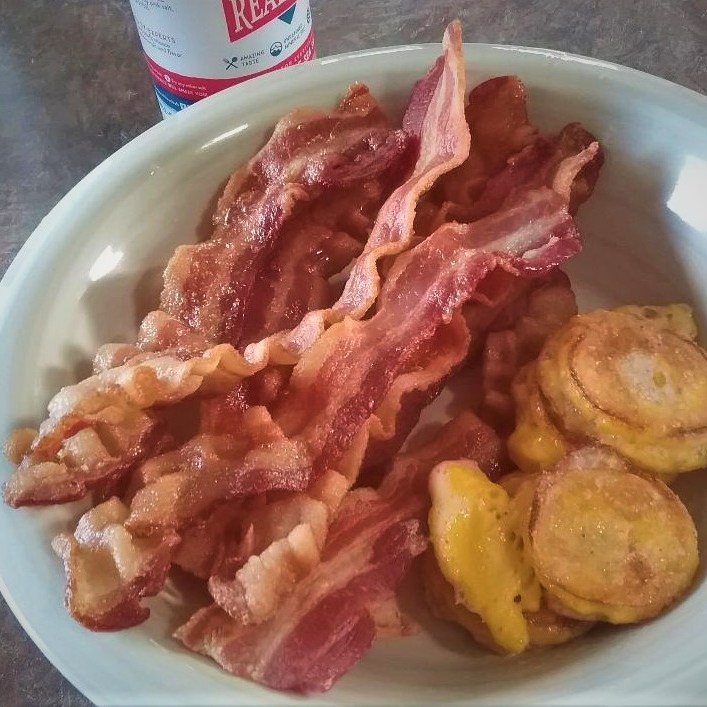
Can you eat just meat?
That was the search term I plugged into Google – can you eat just meat.
Turns out, the short answer is yes. Why, yes you can.
What caught my attention immediately when the search results came back was Dr. Ken Berry’s book, Lies My Doctor Told Me. Well, shit. Something told me in that moment that my entire life was about to be flipped upside down.
Oh, what an understatement that turned out to be.
Dr. Berry led me to Dr. Paul Saladino who led me to Dr. Shawn Baker.
The fact I was already doing a thousand times better eating just chicken and fish told me there was an error in nutritional information being taught to the masses. I quickly learned I would need to add red meat back into my diet. I hadn’t eaten it in more than 25 years. I didn’t know if I could.

The 2019 holidays were underway, and my husband and I decided our Thanksgiving feast would be steak and salmon. I cooked two 1-pound salmon fillets and two 1-pound steaks.
For the first time in more than 25 years, I took a bite of red meat. Once I had that first bite, I couldn’t stop. It was as though I had never eaten before. I finished off my 1-pound steak in record time and dove into the salmon. Indeed, had I ever eaten before? I chowed. But I was definitely worried that 2 pounds of food was not going to end well. I mean, if I couldn’t even eat two bites of broccoli or a piece of pineapple without an extreme reaction, how was I going to digest 2 pounds of meat?
I was fine.
I was better than fine.
I haven’t looked back.
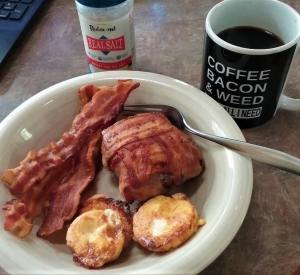
What has happened since has been nothing short of a miracle. For me, anyway. I sit here now writing this and can’t help but shake my head at what used to be. I feel as though I am writing about someone else. Putting this post together (the doctors at Dartmouth-Hitchcock told me to write a book and mention them) was both therapeutic and difficult. And now as I chow down on fatty pork meatballs (and then slow cooked pot roast during editing), I wonder what could have been. I’m going to be 49 years old soon and have spent half a life chasing good and normal health. And in the end, I regained my life in a matter of weeks.
Weeks.
Not decades, not years, not months… weeks.

The major transformation I feel now didn’t happen overnight, but the immediate reversal or remission of so many symptoms and disorders was astounding. It was like snapping my fingers and – poof! I was better. It was as though I had awoken from a 30-year coma.

I won’t claim to have perfect health now. I may not ever. Who knows what damage was done to my body that can’t be reversed? But I feel amazing. And I’m currently heading toward the flip side of menopause. And I feel amazing. (Hey, I was literally doing cartwheels down my drive the other day.)
For three years I have been trying to process all of this. So ecstatic to have a second chance at life, that I dove in and launched The Purple Sneaker in 2020.
It has taken me forever to write this because, at least for me, it’s been a really crazy 45+ years, and I am only now starting over, trying to play serious catch-up in life. But that’s okay, too, because I got a second chance to do the things I’ve always wanted to do. I’ve humbly learned what does and doesn’t matter.

But this really does lead to some serious questions, research, and I will never stop looking for the truth. But I’m not going to forget to have fun ever again either. Many facets of The Purple Sneaker are how I got to this healing point. Through music and dance, inspirational speakers and messages, my dogs, the sun and outdoors, and the creative arts, I focused my energy on moving forward. I thought what helped me get through all of the craziness might help others, too.
Healing, from anything, is a long journey. It’s often a very lonely one as well. Whether you’re trying to regain physical or mental health (and they are absolutely connected), the battle is tough. But it is doable, and worth it a million times over.
I thought my life was over when I lost my athletic ability. Nothing hit me harder than that. No matter how sick I got, I did my best to keep moving. Whatever body part I could physically move, I did (even if all I did was swing my leg back and forth).

I grew up a gymnast, did ballet, played softball, danced my heart out, was a figure skater, ran track, threw the shot put, lived and breathed volleyball, got serious with weightlifting, and devoted my life to martial arts.
And then there I was, unable to walk from room to room.
Life is not to be taken for granted, nor is it to be feared. It is meant to be lived. It is meant to be enjoyed. There is so much in life to see, experience, and feel. There is so much laughter to be had, joys to be shared. The only thought that was ever fully present in my mind at those moments I was about to kiss the world goodbye – was that I hadn’t loved enough. I still had so much more to give.
I’ve hesitated to share my story for a variety of reasons – it’s personal, confusing, and though this has been a miracle for me, it was not – at least, so far – a cure-all or fix-all. But I’m good with that. I’m still healing – I see progress nearly every day. I look forward to the future. Do I have a rare disease? Who the F knows? I don’t care. I’m alive, feel fantastic, and able to participate fully in life. Isn’t that what counts?
My major takeaways from all of this…
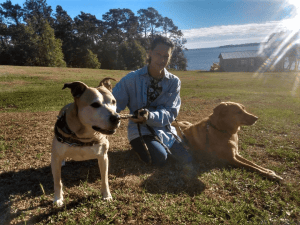
Question everything. Everything. I don’t care what I was taught, what I learned, what my parents told me, what ideas I was brought up with… I have thrown everything out the window and started over. Not an easy task, I assure you. Certainly a liberating one, but also quite lonely. Huge thanks and gratitude to my husband for jumping down the rabbit hole with me.
The only person who has your best interest at heart is you. Someone else may come close but at the end of the day, you’re the only one in your head and the only one walking in your shoes. It truly is all up to you. You’d better be in the best shape of your life.
What works for one may or may not work for another. Is there a perfect way to eat? I am personally still not sure about that, but I do have some definite opinions on the matter. But I now know past (supposed) experts weren’t just wrong, they were intentionally misleading. And that’s not okay.
This is why The Purple Sneaker exists, which is a giant work-in-progress so please pardon the bumps in the road. I just thought maybe some of you would like to come along for the ride.
Back to the top
Back to middle
Some reported issues over the years…
(c) = chronic throughout life
Onset birth to ~10yrs
- Allergic reactions to viruses (c)
- attention problems (c)
- bloating (c)
- brochiolitis
- cataplexy (c)
- colic
- conjunctivitis
- coughing (c)
- dehydration (c)
- delirium
- diarrhea (c)
- double-jointed (c)
- dry, itchy skin (c)
- ear infections (c)
- excessive thirst (c)
- exhaustion/fatigue (c)
- fits of anger
- frequent urination (c)
- gas (c)
- general allergies (all trees/weeds) (c)
- hallucinations (c)
- headaches (c)
- herpes
- hiccups (c)
- high fevers (c)
- hives (c)
- learning disability (c)
- leg cramps (c)
- lightheadedness (c)
- migraines (c)
- misshapen, soft nails (c)
- nausea (c)
- night terrors (c)
- nosebleeds (c)
- pneumonia
- rashes (c)
- respiratory infections (c)
- restless legs and arms (c)
- sensitive skin / bruise easily (c)
- sleep disorder (c)
- sleep paralysis (c)
- stomach aches (c)
- teeth clenching (c)
- unconsciousness
Onset ~10yrs to 19yrs
- anxiety (c)
- athlete’s foot (c)
- brain fog (c)
- chicken pox
- cystic acne (c)
- depression (c)
- dizziness (c)
- excessive sighing / yawning (c)
- fainting (c)
- frostbite
- hard abdomen ‘pot belly’ (c)
- joint pain and weakness (c)
- insomnia (c)
- low blood pressure (c)
- low blood sugar (c)
- nail fungus (c)
- obsessive compulsive disorder (c)
- oral cavities
- painful periods (c)
- shallow or stopped breathing (c)
- trouble breathing (c)
- vertigo (c)
- weakness, general, bouts of (c)
- yeast infections (c)
Onset in 20s and 30s
- alopecia (c)
- asthma (c)
- bronchitis (c)
- chest pains (c)
- fibromyalgia (c)
- GERD (c)
- gout (c)
- heart arrythmia (c)
- hpv
- IBS with rapid transit (c)
- kidney cyst
- malabsorption (c)
- muscle tics (c)
- nystagmus (c)
- perimenopause symptoms (c)
- peripheral neuropathy (c)
- Raynaud’s syndrome (c)
- receding gums (c)
After thoughts… for anyone curious as to what happened at 2 weeks old… according to my baby book, I was introduced to both apple sauce and sugar water.
But herein lies what I think is a rather important piece of information to note. For individuals who have HFI, the recommended treatment is a life without fructose, and the expected outcome is positive. People with HFI who abstain from fructose lead long, normal, healthy lives, so say the scientific journals. If this is the case, then how can meat be bad and carbs necessary? Does the above diagnosis and treatment not reflect the opposite?
Discover more from The Purple Sneaker
Subscribe to get the latest posts sent to your email.


11 thoughts on “From Pineapples to Meat”